Understanding Skeletal Muscle Organoids: A Comprehensive Guide


In recent years, the study of skeletal muscle organoids has gained significant attention in the field of biomedical research. These organoids, often referred to as mini-organs, offer a revolutionary approach to understanding muscle development, disease, and regeneration. By mimicking the structure and function of actual skeletal muscles, organoids provide a powerful tool for scientists to explore complex biological processes in a controlled environment.
Skeletal muscle organoids are three-dimensional structures that are grown from stem cells. These organoids mimic the architecture and physiological functions of real muscle tissues, making them invaluable for research. The use of stem cells allows for the development of organoids that can be genetically matched to individual patients, paving the way for personalized medicine.

Why Skeletal Muscle Organoids Matter
The ability to create and manipulate skeletal muscle organoids presents numerous advantages. One of the primary benefits is the reduction in the use of animal models, which can be costly and ethically controversial. Organoids provide a more ethical and often more accurate alternative for studying human biology. Additionally, they allow researchers to observe muscle development and degeneration in real-time, offering insights that were previously unattainable.
Furthermore, skeletal muscle organoids are instrumental in drug testing and development. By exposing organoids to various compounds, researchers can assess the efficacy and safety of new drugs more efficiently. This process not only accelerates the drug discovery phase but also aids in identifying potential side effects early in development.
How Are Skeletal Muscle Organoids Created?
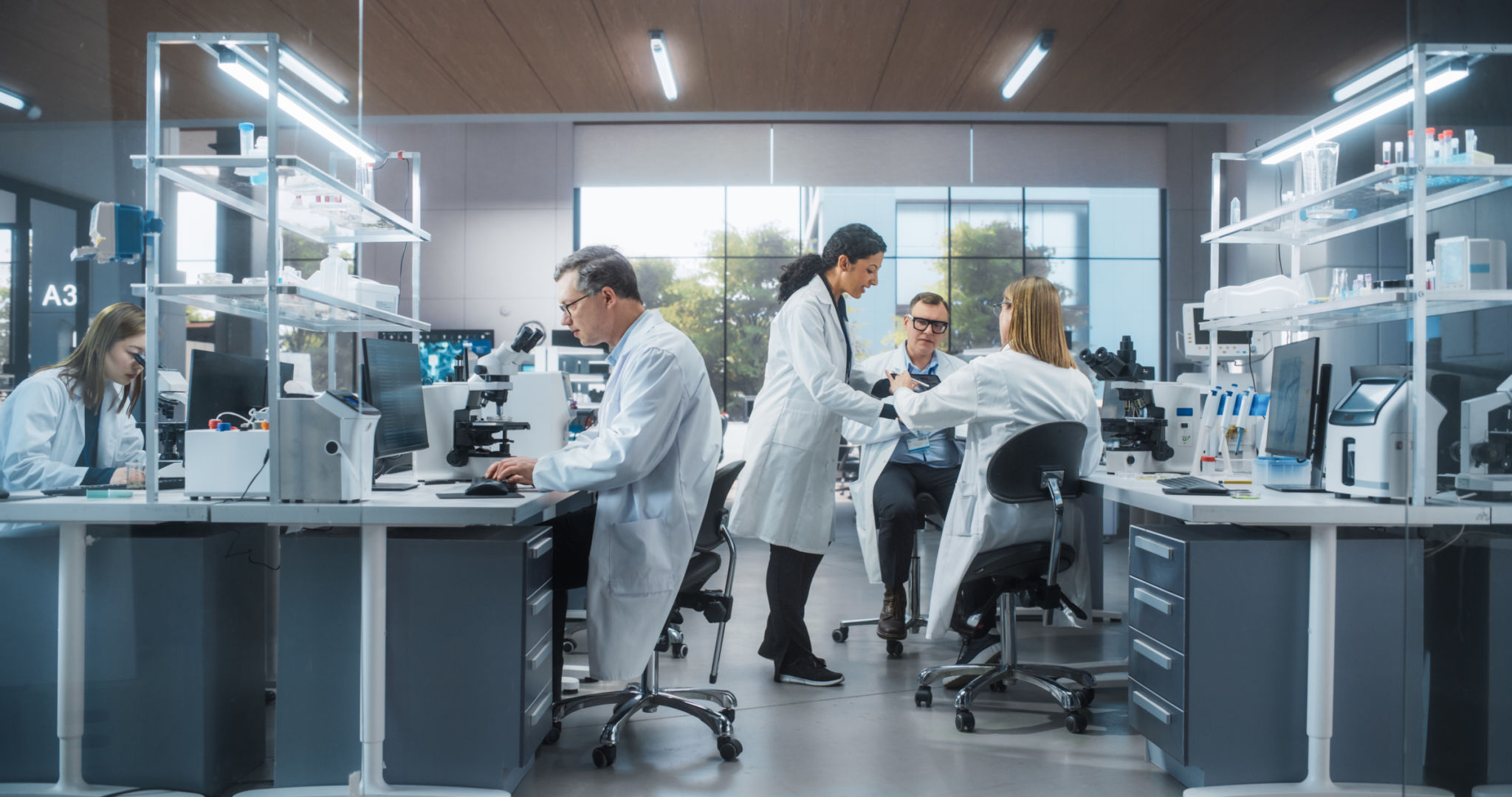
The creation of skeletal muscle organoids involves several critical steps. Initially, pluripotent stem cells are cultivated in a petri dish. These cells are then subjected to specific growth factors and signaling molecules that guide their differentiation into muscle cells. Over time, these cells self-organize into three-dimensional structures that closely resemble natural muscle tissue.
During this process, it is essential to carefully control the microenvironment, including factors such as temperature, pH, and nutrient availability. Advanced techniques such as bioprinting are also sometimes employed to create more complex and functional organoids.
Applications in Disease Modeling
Skeletal muscle organoids are proving to be transformative in the study of muscular diseases. For conditions such as muscular dystrophy or amyotrophic lateral sclerosis (ALS), organoids offer a platform to model disease progression and test potential therapies. Researchers can introduce genetic mutations into organoids to replicate disease conditions, allowing for detailed analysis and intervention testing.

The Future of Skeletal Muscle Organoids
As technology and methodologies continue to advance, the future of skeletal muscle organoids looks promising. Ongoing research aims to enhance the complexity and functionality of these organoids, making them even more representative of human muscle. Efforts are also underway to integrate organoids with other tissue types to create more comprehensive models of human physiology.
The potential applications of skeletal muscle organoids extend beyond research and into therapeutic realms. With continued innovation, these organoids could one day be used in regenerative medicine to repair or replace damaged muscle tissue in patients, offering hope to those with debilitating muscle conditions.
In conclusion, skeletal muscle organoids represent a significant leap forward in biomedical research. Their ability to replicate the intricate processes of muscle development and disease offers exciting possibilities for both scientific discovery and medical advancement. As we continue to explore and refine these organoids, their impact on health and medicine is likely to grow exponentially.