Understanding Skeletal Muscle Organoids: A Comprehensive Guide


Introduction to Skeletal Muscle Organoids
Skeletal muscle organoids are a groundbreaking advancement in biomedical research, offering a three-dimensional, in vitro model that mimics the complex structure and function of human skeletal muscles. These miniaturized, simplified versions of muscles are cultivated from stem cells and are paving the way for innovative research in muscle development, disease modeling, and drug testing.
Understanding skeletal muscle organoids is crucial for scientists and researchers aiming to explore muscle physiology and pathology in a controlled environment. This guide delves into the essential aspects of skeletal muscle organoids, their formation, and their applications.
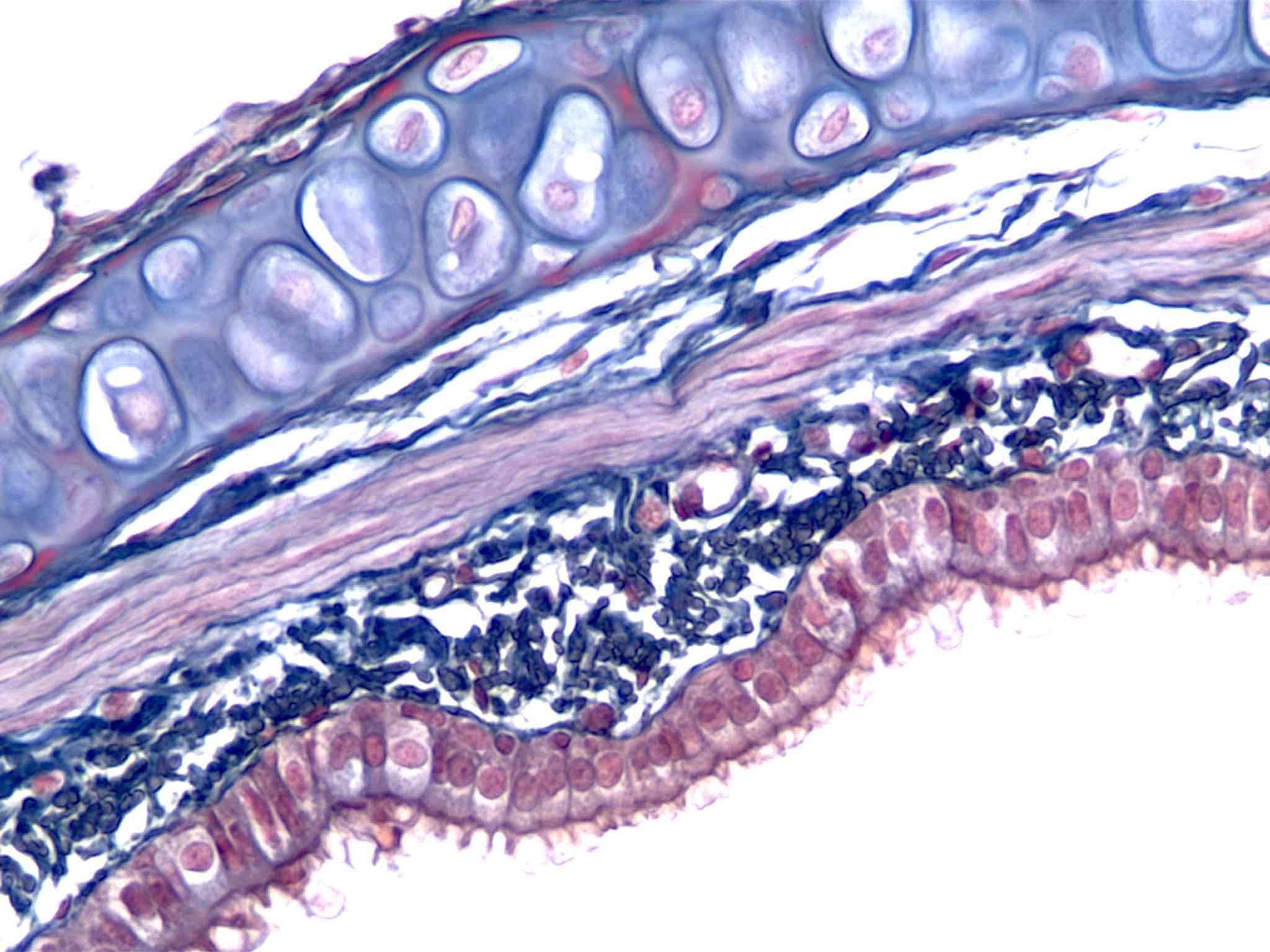
The Formation of Skeletal Muscle Organoids
Stem Cell Sources
The creation of skeletal muscle organoids begins with the selection of appropriate stem cells. Typically, induced pluripotent stem cells (iPSCs) or embryonic stem cells (ESCs) are used due to their ability to differentiate into various cell types, including myogenic progenitors. This flexibility is critical for developing organoids that accurately replicate muscle tissues.
3D Culturing Techniques
The development of organoids involves advanced 3D culturing techniques. These methods allow cells to grow in a scaffold-free environment, fostering a more natural growth pattern. Techniques such as bioprinting and microfluidics are often employed to enhance the structural integrity and functionality of these organoids.

Applications of Skeletal Muscle Organoids
Disease Modeling
One of the most promising applications of skeletal muscle organoids is in disease modeling. Researchers can replicate muscle-specific diseases such as muscular dystrophy and amyotrophic lateral sclerosis (ALS) to better understand their mechanisms. This approach provides insights into disease progression and potential therapeutic targets.
Drug Testing and Development
Skeletal muscle organoids serve as an excellent platform for drug testing and development. They offer a more accurate representation of human muscle response compared to traditional cell cultures. This application can significantly accelerate the process of drug discovery, allowing for the testing of efficacy and safety before moving to clinical trials.

Advantages and Limitations
Advantages
The use of skeletal muscle organoids brings numerous advantages. They provide a more physiologically relevant model of human muscles, enabling researchers to study complex interactions within muscle tissues. Additionally, they reduce the need for animal testing, aligning with ethical research practices.
Limitations
Despite their benefits, skeletal muscle organoids are not without limitations. They may not fully replicate all the features of in vivo muscles, and their production can be resource-intensive. Continuous advancements in technology and methodology are needed to overcome these challenges and enhance their applicability.
Future Directions
The future of skeletal muscle organoids looks promising, with ongoing research focused on improving their complexity and functionality. Innovations in genetic engineering and biomaterials may lead to more sophisticated models. As these organoids evolve, they hold the potential to transform the fields of regenerative medicine and personalized therapy.
In conclusion, skeletal muscle organoids represent a significant leap forward in biomedical research, offering new pathways for understanding muscle biology and developing treatments for muscle-related diseases. Their continued development and application promise to unveil new horizons in the study of human health and disease.