The Science Behind Nerve Electrical Stimulation: How It Works


Electrical nerve stimulation is a fascinating field that merges biology with technology, providing therapeutic benefits for various medical conditions. By understanding the science behind it, we can better appreciate its role in modern medicine.
Nerve electrical stimulation involves using electrical impulses to activate nerves. This process can help alleviate pain, improve muscle function, and enhance overall quality of life for many patients. But how does it work, and why is it effective?
The Basics of Nerve Function
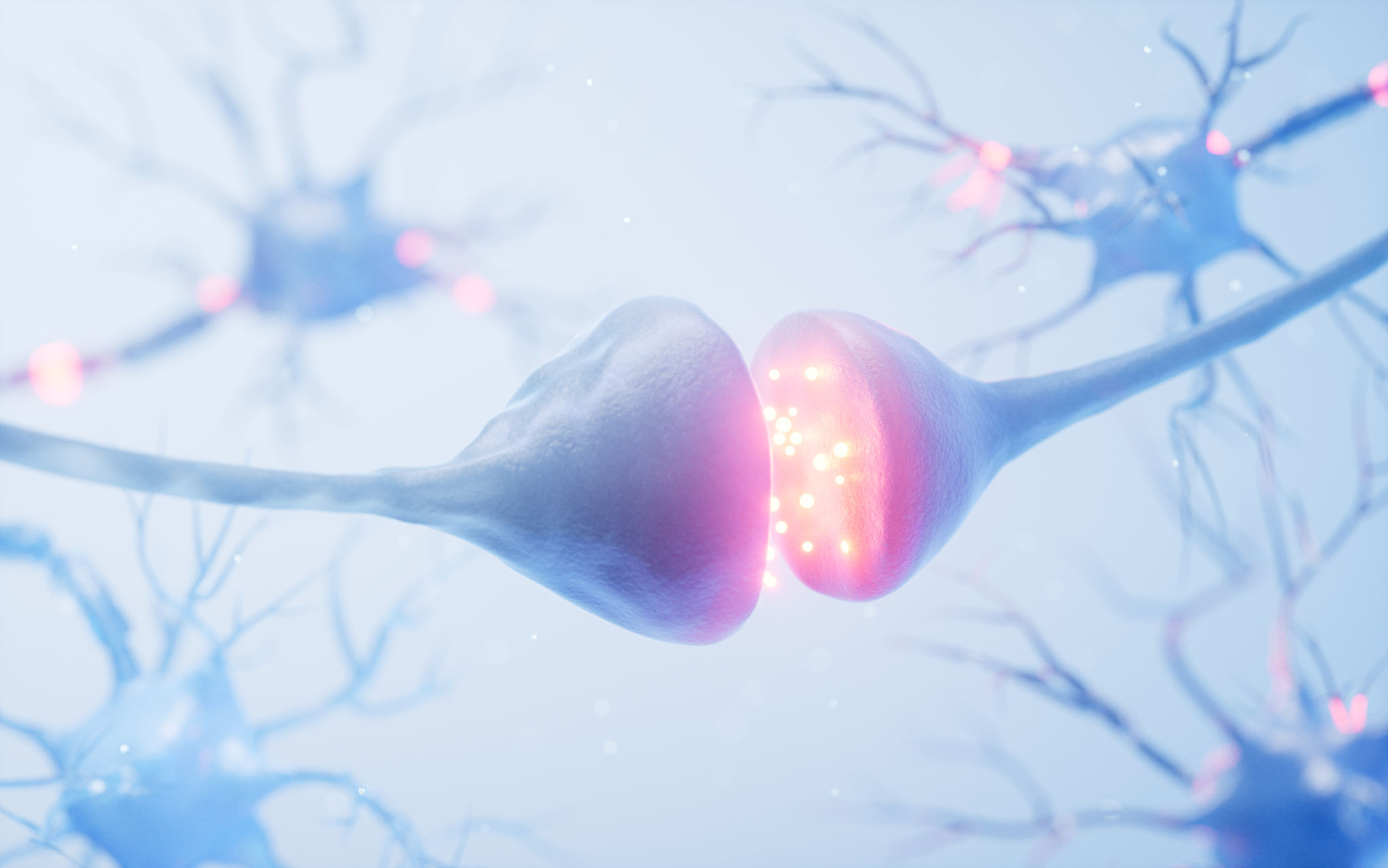
Nerves are essential components of the human nervous system, transmitting signals between the brain and different parts of the body. These signals are electrical impulses that carry information, enabling the body to respond to stimuli. Any disruption in this system can lead to various medical issues.
Electrical stimulation mimics these natural impulses, helping to restore normal function. By applying controlled electrical currents, the therapy can target specific nerves to produce desired effects, such as pain relief or muscle contraction.
Types of Nerve Stimulation
There are several types of nerve stimulation techniques, each with unique applications and benefits. The most common include:
- Transcutaneous Electrical Nerve Stimulation (TENS): Often used for pain relief, TENS involves placing electrodes on the skin to deliver low-voltage electrical currents.
- Functional Electrical Stimulation (FES): This technique helps restore function in paralyzed muscles by applying electrical currents to specific areas.
- Deep Brain Stimulation (DBS): Used for neurological disorders like Parkinson's disease, DBS involves implanting electrodes in the brain to modulate its activity.

Mechanism of Action
The effectiveness of nerve electrical stimulation lies in its ability to interfere with pain signals and enhance muscle activity. When electrical impulses are applied to nerves, they can block pain signals from reaching the brain, providing relief for conditions like chronic pain and arthritis.
Furthermore, by stimulating motor nerves, these techniques can induce muscle contractions, which are beneficial for individuals with neuromuscular disorders. This helps in maintaining muscle tone and preventing atrophy.
Scientific Research and Efficacy
Numerous studies have demonstrated the efficacy of nerve electrical stimulation in treating various conditions. Research shows that TENS can significantly reduce pain levels, while FES has been effective in improving mobility for stroke patients.
Moreover, ongoing advancements in technology continue to enhance the precision and effectiveness of these treatments, making them more accessible to patients worldwide.

Potential and Future Developments
The future of nerve electrical stimulation is promising, with ongoing research exploring its potential in treating conditions like depression and epilepsy. The development of more sophisticated devices and techniques will likely expand its applications.
As our understanding of the nervous system deepens, the integration of electrical stimulation into personalized medicine could revolutionize the way we approach treatment, offering tailored solutions for individual needs.
In conclusion, the science behind nerve electrical stimulation is a testament to the power of innovation in healthcare. By harnessing the body's natural electrical signals, it provides a pathway to relief and recovery for many.