Myths and Facts About Organoid Electrical Stimulation


Understanding Organoid Electrical Stimulation
Organoid electrical stimulation is a fascinating area of research that blends the fields of biology, technology, and medicine. Despite its potential, several myths surround this subject, often leading to misunderstandings. This blog post aims to demystify these misconceptions by providing clear and factual information.

Myth 1: Organoids Are Just Miniature Organs
While organoids are often described as "mini-organs," this term can be misleading. Organoids are simplified versions of an organ, developed from stem cells, and they replicate some organ functions. However, they lack the full complexity of an actual organ, including vascular and nervous systems.
Fact: Organoids mimic certain aspects of an organ's structure and function, making them valuable for research, but they are not complete replicas.
Myth 2: Electrical Stimulation Is Harmful
Another common myth is that electrical stimulation can damage organoids. In reality, when applied correctly, electrical stimulation can enhance organoid development and functionality. Researchers use precise and controlled methods to ensure safety.
Fact: Electrical stimulation, when properly administered, supports cellular functions and can promote growth and development.
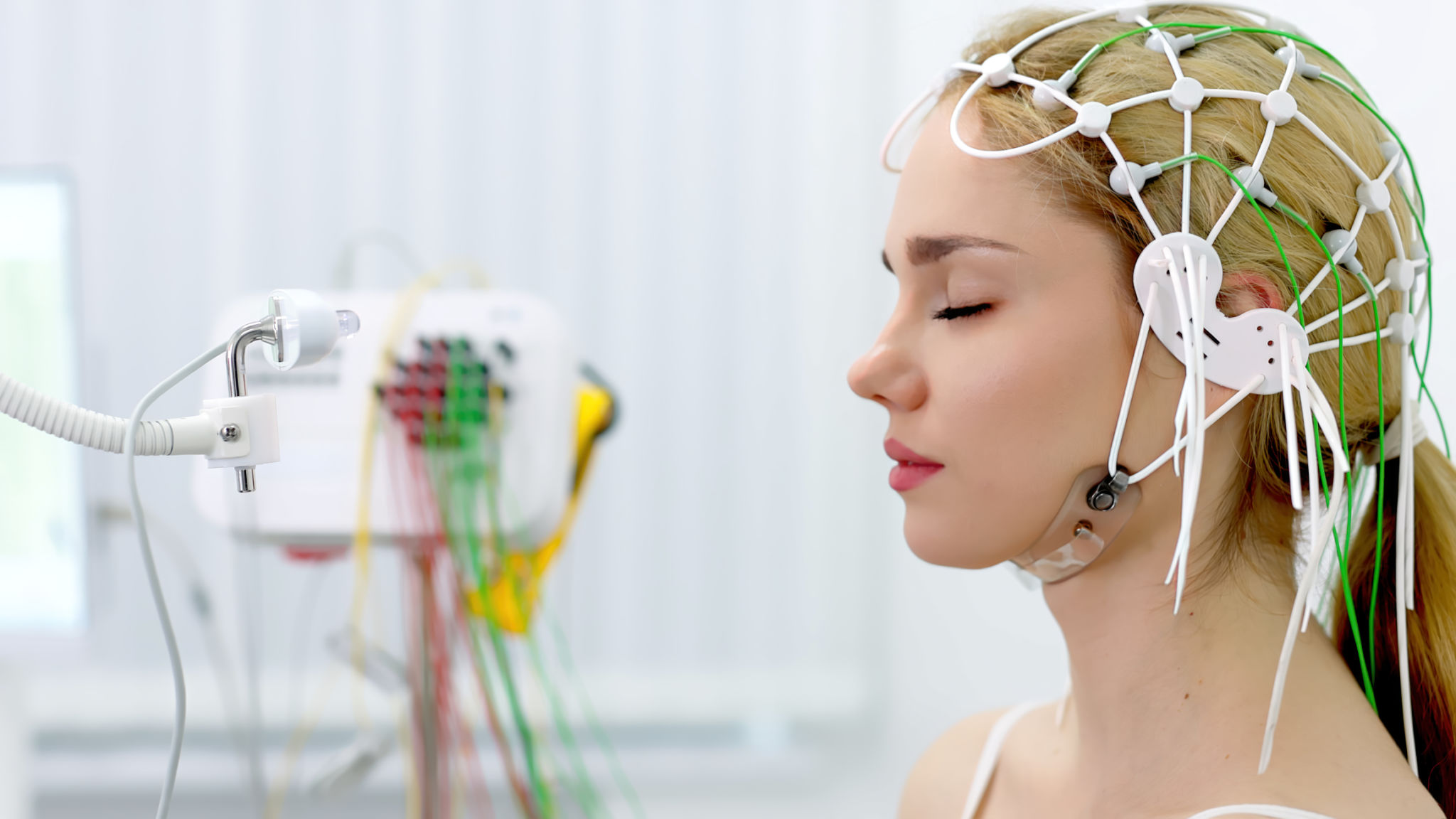
Benefits of Electrical Stimulation in Organoid Research
Electrical stimulation is not just safe but also beneficial. It can enhance the maturation of organoids, making them more representative of human organs. This is particularly useful in drug testing and disease modeling.
- Improves cellular connectivity
- Enhances physiological accuracy
- Facilitates advanced research opportunities
Myth 3: This Technology Is Only for Scientists
While organoid research is predominantly conducted by scientists, its implications reach far beyond the laboratory. The advancements made through organoid electrical stimulation have the potential to revolutionize personalized medicine and improve drug development processes.

Fact: The benefits of this research could eventually impact patient care and treatment strategies, making it relevant to healthcare professionals and patients alike.
Future Prospects
The future of organoid electrical stimulation is promising. As technology advances, so does the potential for more accurate disease models and personalized therapies. The integration of AI and machine learning could further enhance the capabilities of organoid research, offering new insights and treatment options.
By dispelling myths and focusing on factual information, we can better appreciate the role of organoid electrical stimulation in modern science. Its potential to transform medicine and improve our understanding of human biology is immense and exciting.