Innovative Uses of Pulse Stimulators in Modern Medicine


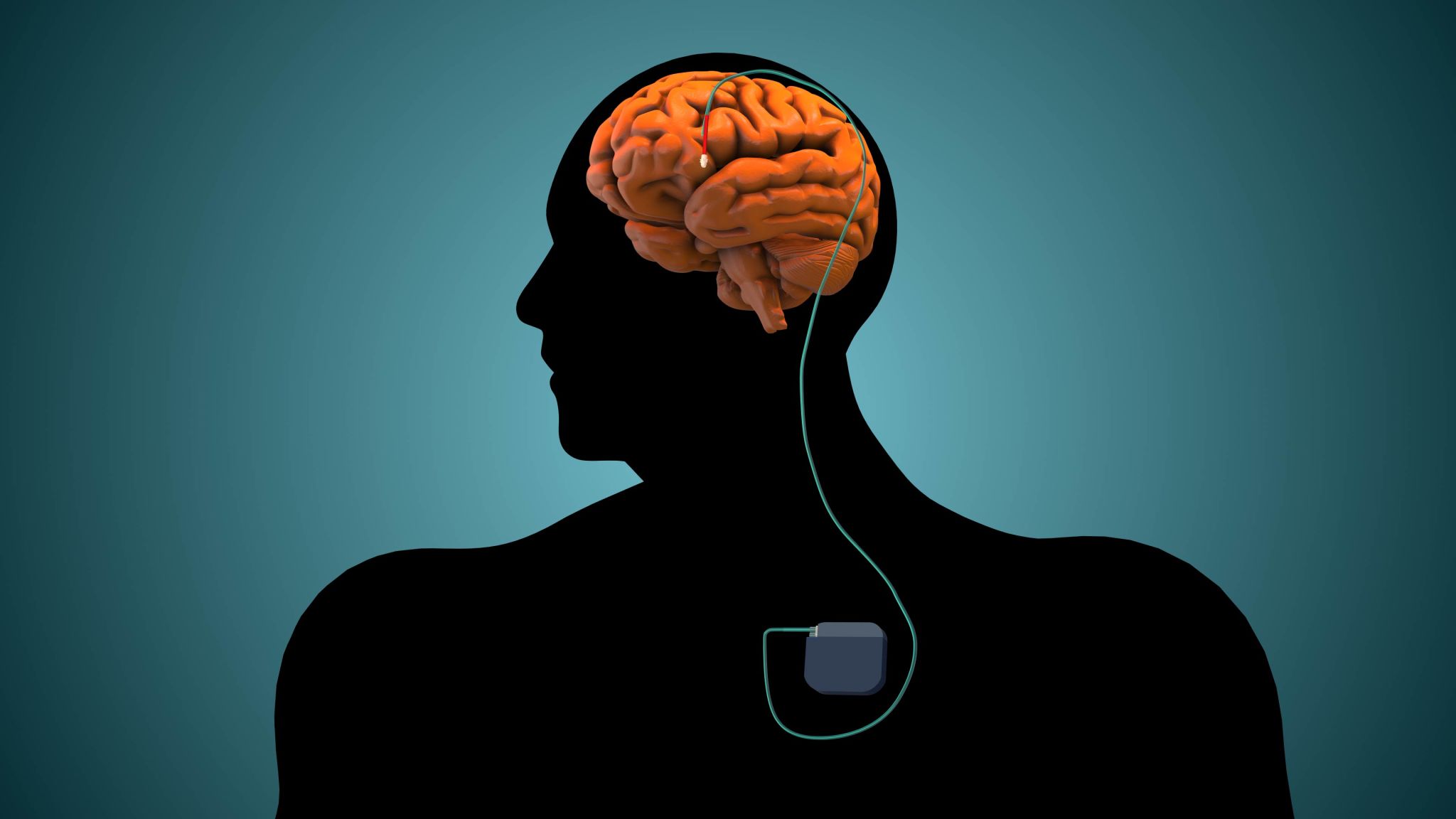
Pulse stimulators have emerged as a groundbreaking technology in the field of modern medicine, offering innovative solutions for a variety of medical conditions. These devices are designed to deliver electrical impulses to specific areas of the body, providing therapeutic benefits without the need for invasive procedures.
Understanding Pulse Stimulation
The principle of pulse stimulation is based on the body's natural electrical currents. By mimicking these currents, pulse stimulators can stimulate nerves, muscles, and tissues to achieve desired therapeutic effects. This non-invasive approach has made them popular in both clinical and home settings.

Pain Management
One of the most common applications of pulse stimulators is in pain management. By targeting nerve pathways, these devices can effectively reduce chronic pain. Conditions such as arthritis, fibromyalgia, and even post-operative pain can be managed with the help of pulse stimulation, providing relief where traditional methods may fall short.
For patients with chronic pain, a pulse stimulator can be a game changer, offering a way to manage symptoms without relying heavily on medications. This not only improves quality of life but also reduces the risk of side effects associated with long-term medication use.
Enhancing Rehabilitation
Physical rehabilitation is another area where pulse stimulators have made a significant impact. By stimulating muscle contractions, these devices can help patients regain strength and mobility after injury or surgery. This is particularly beneficial for stroke survivors, where rehabilitation is crucial for recovery.

Improving Circulation
Poor circulation can lead to a number of health issues, including fatigue and muscle cramps. Pulse stimulators can improve blood flow by gently contracting muscles and enhancing circulation. This can be particularly helpful for individuals with conditions like diabetes or peripheral artery disease.
- Enhances blood flow
- Reduces muscle soreness
- Promotes healing
Supporting Mental Health
In recent years, pulse stimulators have also been explored for their potential in supporting mental health. Techniques such as transcranial magnetic stimulation (TMS) use magnetic pulses to influence brain activity, offering a promising avenue for treating depression and anxiety.
This non-invasive method can be a viable option for patients who have not responded to traditional treatments, providing hope and relief through innovative technology.
Future Prospects
The future of pulse stimulators in medicine looks promising, with ongoing research exploring new applications. From enhancing athletic performance to aiding in cognitive function, the possibilities are vast. As technology continues to evolve, these devices are likely to become even more integral to modern healthcare.
Ultimately, pulse stimulators represent a fusion of technology and medicine, offering solutions that were once thought impossible. As research progresses, their role in improving patient outcomes will only continue to grow.