Innovative Trends in Muscle Organoid Research


Introduction to Muscle Organoids
Muscle organoid research is at the forefront of biomedical science, offering unprecedented insights into muscle development, disease, and potential therapies. These three-dimensional structures, derived from stem cells, mimic the architecture and function of real muscle tissue. As this field evolves, several innovative trends are shaping the future of muscle organoid research.

Advanced Bioengineering Techniques
Recent advancements in bioengineering are transforming how muscle organoids are developed. Techniques such as 3D bioprinting and microfluidic systems are enabling researchers to create more complex and functional organoid models. These technologies allow for precise control over the microenvironment, enhancing the fidelity of muscle tissue simulations.
In particular, 3D bioprinting is being used to arrange cells in specific patterns, closely mimicking the natural muscle architecture. This innovation is pivotal for studying muscle regeneration and testing new drugs.
Applications in Disease Modeling
Muscle organoids are proving invaluable in modeling muscular diseases such as muscular dystrophy and myopathies. By using patient-derived stem cells, researchers can create personalized organoid models to study disease progression and test individualized treatments. This approach is not only speeding up the discovery of novel therapeutics but also paving the way for personalized medicine.

Integration with Genomic Technologies
The integration of muscle organoids with genomic technologies is another exciting trend. CRISPR-Cas9 and other gene-editing tools are being used to introduce specific genetic mutations into organoids, facilitating the study of genetic diseases at a cellular level. This synergy between organoid technology and genomics is enhancing our understanding of the genetic underpinnings of muscle disorders.
Moreover, single-cell RNA sequencing is providing detailed insights into the gene expression profiles of muscle organoids, helping to identify potential therapeutic targets.
Exploration of Regenerative Therapies
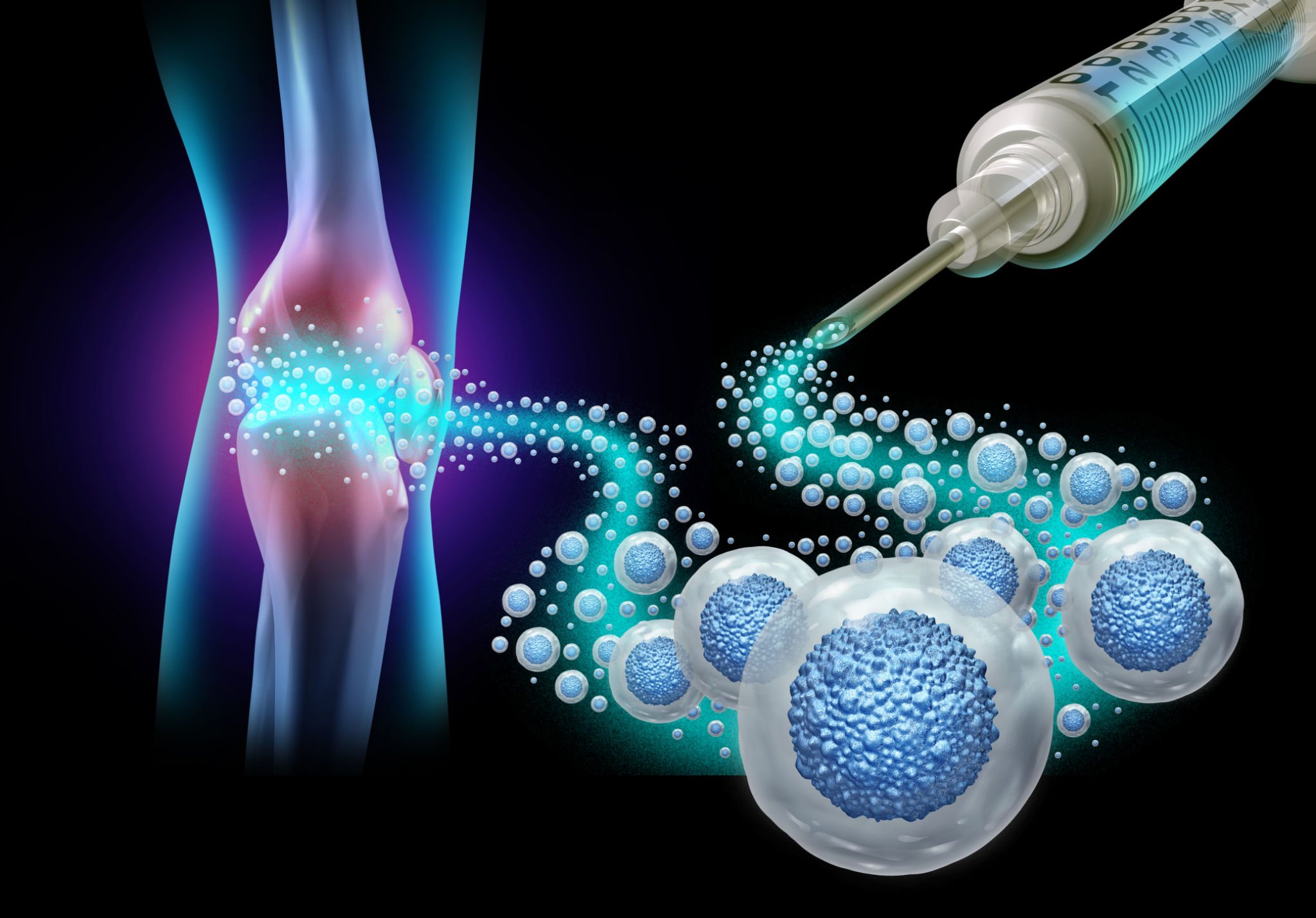
Muscle organoids are also being explored for their potential in regenerative medicine. Researchers are investigating how these miniaturized tissues can be used to repair or replace damaged muscle in patients with injuries or chronic conditions. Some studies are already showing promising results, bringing us closer to clinical applications.
Challenges and Future Directions
Despite the progress, there are still challenges to overcome in muscle organoid research. Issues such as scalability, reproducibility, and the complexity of mimicking vascularization remain. However, ongoing research and collaboration across disciplines are addressing these hurdles.
The future of muscle organoid research is bright, with potential applications extending beyond disease modeling and regenerative therapies to include drug discovery and toxicology testing. As technologies advance, we can expect muscle organoids to play a pivotal role in transforming biomedical research.