Debunking Myths: Understanding Organoid Electrical Stimulation


Unraveling Organoid Electrical Stimulation
Organoids, often termed as "mini-organs," have emerged as a groundbreaking advancement in biomedical research. These 3D structures, derived from stem cells, mimic the complexity of human organs, offering unprecedented insights into human development and diseases. However, the concept of electrical stimulation in organoids has been shrouded in misconceptions.

Understanding the Basics
Electrical stimulation in organoids is a technique used to mimic the natural electric signals found in living tissues. This process can be crucial for studying organ functions, particularly in brain and heart organoids. Despite its significance, several myths have clouded its understanding.
One common myth is that electrical stimulation is only applicable to neural organoids. In reality, this technique has potential applications in various organoid types, including cardiac and muscular models. The goal is to replicate the electrical environments these tissues experience in vivo.
Myth: Electrical Stimulation Damages Organoids
A prevalent concern is that electrical stimulation might harm the delicate structures of organoids. However, studies have shown that when applied correctly, stimulation can enhance the maturation and functionality of these models. For example, cardiac organoids subjected to electrical cues can exhibit improved rhythmic contractions.
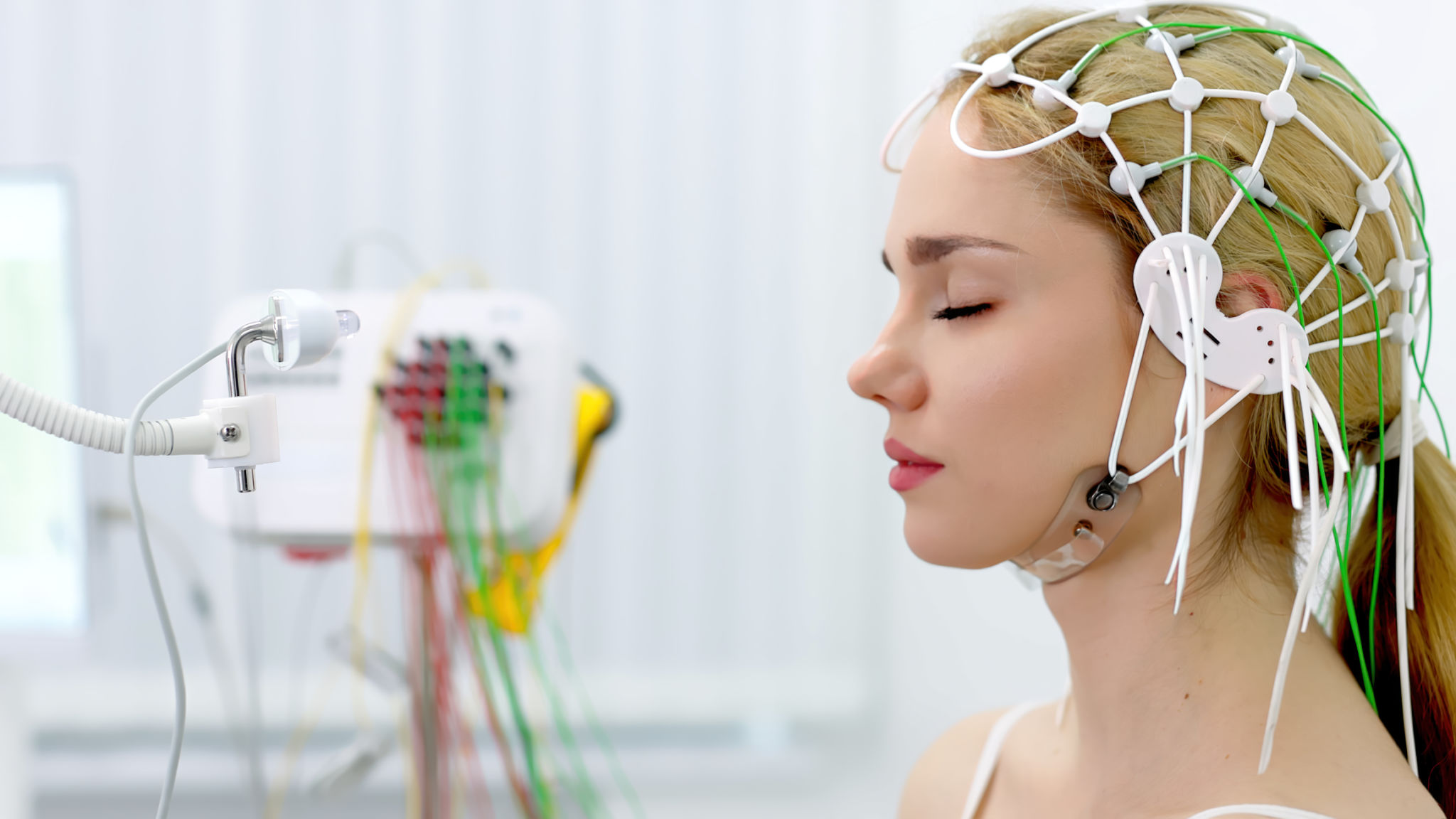
It's essential to use precise parameters to ensure that stimulation supports, rather than hinders, organoid development. Researchers continuously refine these techniques to optimize outcomes and minimize any potential risks.
Applications in Disease Research
Another myth suggests that electrical stimulation is not useful for disease modeling. On the contrary, it is a powerful tool in the study of diseases like epilepsy, arrhythmias, and more. By simulating electrical dysfunctions, scientists can better understand disease mechanisms and potential treatments.
- Neurodegenerative diseases: Study of neuronal activity and synaptic connections.
- Cardiac disorders: Insights into arrhythmias and heart failure.
- Muscular diseases: Understanding muscle contraction and atrophy.
Future Prospects and Challenges
While electrical stimulation in organoids holds immense promise, challenges remain. Standardizing protocols and ensuring reproducibility across labs are ongoing efforts. Moreover, integrating bioengineering advances, such as microelectrode arrays, can enhance the precision and applicability of these techniques.
As the field progresses, collaboration between biologists, engineers, and clinicians will be key to overcoming these hurdles. The future of organoid research promises to revolutionize our understanding of human biology and disease.
Conclusion
Debunking myths surrounding organoid electrical stimulation is crucial for advancing research and application. By embracing the potential of this technique, scientists can unlock new pathways in regenerative medicine, personalized therapies, and beyond.