Current Trends in Nerve Electrical Stimulation Research


Introduction to Nerve Electrical Stimulation
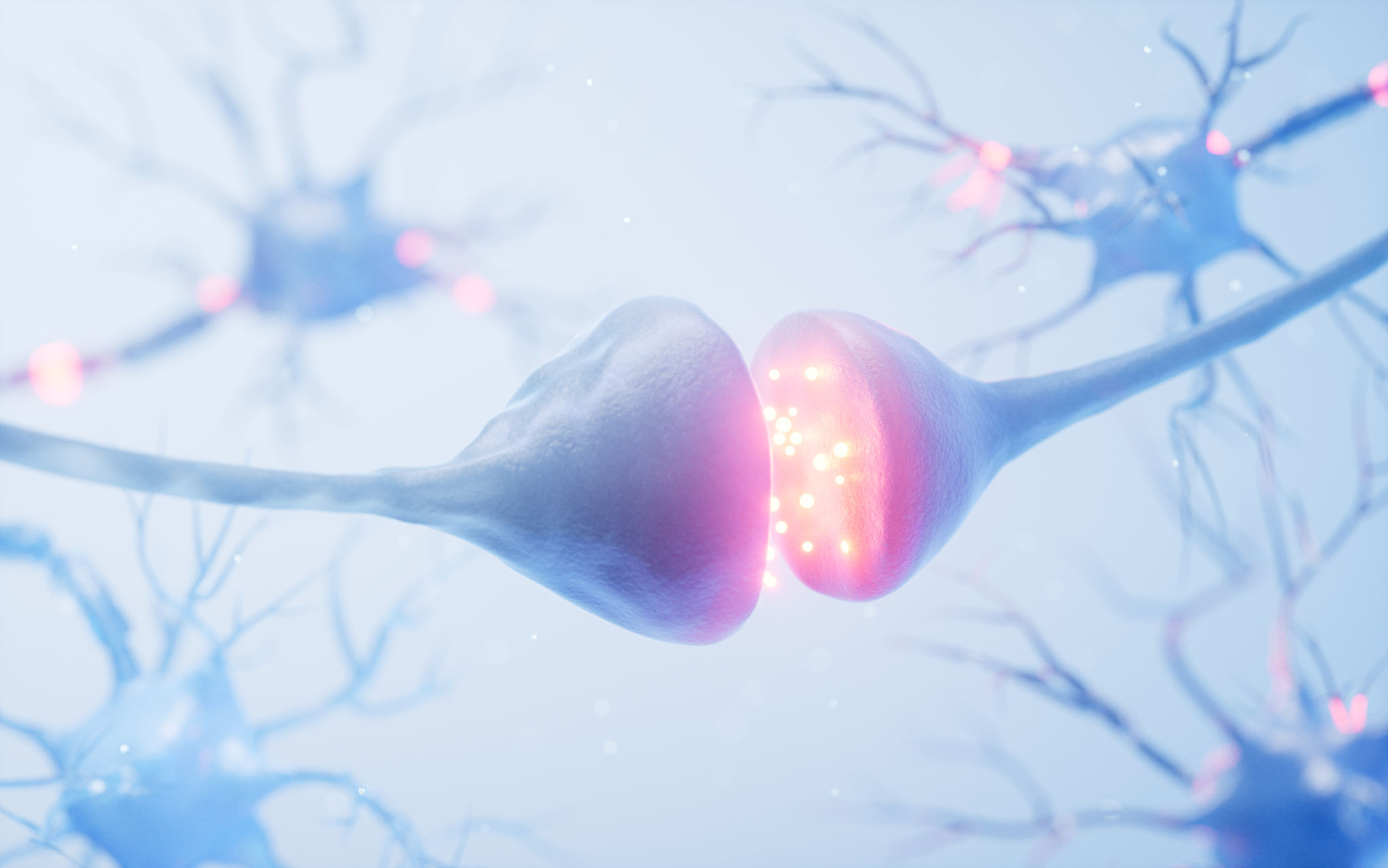
Nerve electrical stimulation is a groundbreaking area of research that is revolutionizing the way we approach medical treatments. By using electrical pulses to stimulate nerves, this technology offers new hope for patients with various neurological conditions. Recent advancements are pushing the boundaries of what is possible, transforming theoretical concepts into practical applications.
With a growing body of evidence supporting its efficacy, nerve electrical stimulation is becoming an increasingly vital tool in the medical field. Not only does it offer innovative solutions for pain management, but it also provides promising results in motor function recovery and other neurological applications.
Advancements in Technology
One of the most exciting trends in nerve electrical stimulation research is the development of more sophisticated devices. These devices are becoming smaller, more efficient, and capable of delivering targeted stimulation with unprecedented precision. Advances in materials science and bioengineering are playing a crucial role in this evolution.
Wearable technology is also gaining traction, offering patients the ability to manage their treatments conveniently. These wearables are integrated with smart technology, allowing for real-time monitoring and adjustments, which enhances the overall effectiveness of the therapy.

Applications in Pain Management
Pain management is one of the most well-established applications of nerve electrical stimulation. Conditions like chronic back pain, arthritis, and neuropathic pain are being effectively managed with this technology. The ability to provide non-invasive pain relief is a significant advantage, reducing the need for pharmaceutical interventions.
Researchers are continuously exploring new ways to enhance these treatments, such as combining electrical stimulation with other modalities like physical therapy or pharmacological agents. This multidisciplinary approach is showing promising results in clinical trials.

Motor Function Recovery
Another promising area of research is the use of nerve electrical stimulation in motor function recovery. Patients who have suffered from strokes or spinal cord injuries are benefiting from therapies that stimulate nerves to restore movement and improve coordination.
The integration of artificial intelligence and machine learning is further enhancing these treatments. By analyzing patient data, AI-driven systems can optimize stimulation patterns, offering personalized treatment plans that maximize recovery outcomes.
Challenges and Future Directions
Despite the impressive advancements, several challenges remain in the field of nerve electrical stimulation. Issues such as precise targeting, long-term efficacy, and device biocompatibility need ongoing research and development.
Looking ahead, the future of nerve electrical stimulation is bright. Collaborations between engineers, clinicians, and researchers are fostering innovation, pushing the boundaries of what's possible. As technology continues to evolve, it is likely that we will see even more groundbreaking applications emerge.
Conclusion
In summary, nerve electrical stimulation is a rapidly advancing field with immense potential to transform the landscape of medical treatments. From advanced devices and wearables to AI-driven therapies, the possibilities are vast and exciting.
As research continues to progress, we can expect to see even more innovative solutions that improve the quality of life for patients worldwide. The commitment to understanding and harnessing the power of nerve electrical stimulation is a testament to the resilience and creativity of the scientific community.