Case Study: Successful Rehabilitation with Biphasic Pulse Stimulators


Introduction to Biphasic Pulse Stimulators
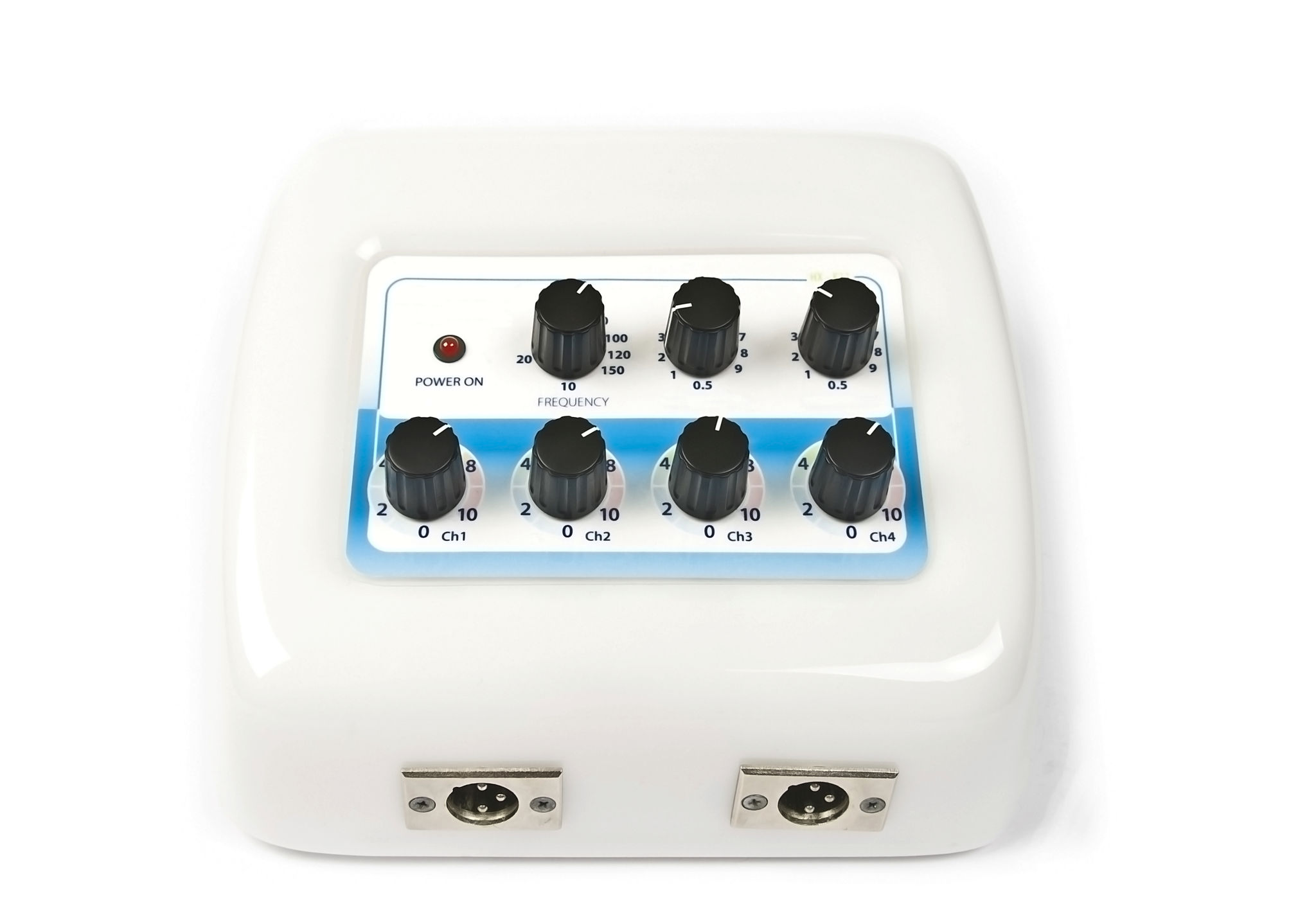
In the realm of physical rehabilitation, biphasic pulse stimulators are making significant strides. These devices use electrical currents to stimulate muscle contractions, aiding in recovery and enhancing physical therapy outcomes. This case study examines their successful application and the benefits they offer to patients undergoing rehabilitation.
Biphasic pulse stimulators are often used in conjunction with traditional rehabilitation techniques to expedite healing and improve muscle strength. By sending controlled electrical impulses to muscles, these devices can help reduce pain, enhance circulation, and improve muscle function.
Case Study Overview
Our case study focuses on a 45-year-old patient recovering from knee surgery. The integration of a biphasic pulse stimulator into their rehabilitation plan provided remarkable results in terms of both speed and effectiveness of recovery.
Initially, the patient faced challenges with pain management and limited mobility. Traditional methods alone were proving insufficient in addressing these issues within the expected timeframe. The introduction of a biphasic pulse stimulator marked a turning point in their rehabilitation journey.
Rehabilitation Process
The rehabilitation process was structured in three phases:
- Initial Assessment: Evaluation of the patient's baseline muscle strength and mobility.
- Integration of Biphasic Stimulation: Incorporating the device into daily therapy sessions.
- Monitoring and Adjustment: Regular assessments to fine-tune the stimulator settings for optimal results.

Benefits Observed
Throughout the rehabilitation process, several key benefits were observed in the patient:
- Improved Muscle Strength: Enhanced muscle contraction and strength were noted within weeks.
- Reduced Pain Levels: The patient reported significantly lower pain, allowing for more active participation in therapy.
- Faster Recovery Time: The overall recovery timeline was shortened, enabling the patient to return to normal activities sooner.
Conclusion and Future Implications
The successful use of biphasic pulse stimulators in this case study highlights their potential as a valuable tool in rehabilitation settings. They offer an effective supplement to traditional therapy methods, providing both immediate and long-term benefits.

As technology advances, the role of such devices is likely to expand. Further research and case studies will continue to illuminate their full potential, paving the way for broader implementation in clinical practices. This case serves as a testament to the transformative impact of integrating innovative technologies in patient care.