Building Skeletal Muscle Organoids: Techniques and Innovations


Introduction to Skeletal Muscle Organoids
In the rapidly evolving field of biomedical research, skeletal muscle organoids represent a groundbreaking innovation. These miniature, three-dimensional models of muscle tissue offer scientists a unique window into muscle development, disease, and regeneration. Researchers are now able to study complex muscle behaviors and test new treatments in ways that were previously unimaginable.
The creation and utilization of skeletal muscle organoids have the potential to revolutionize our approach to muscular diseases and regenerative medicine. By mimicking the natural architecture and function of muscle tissue, these organoids provide a more accurate and scalable model for research.
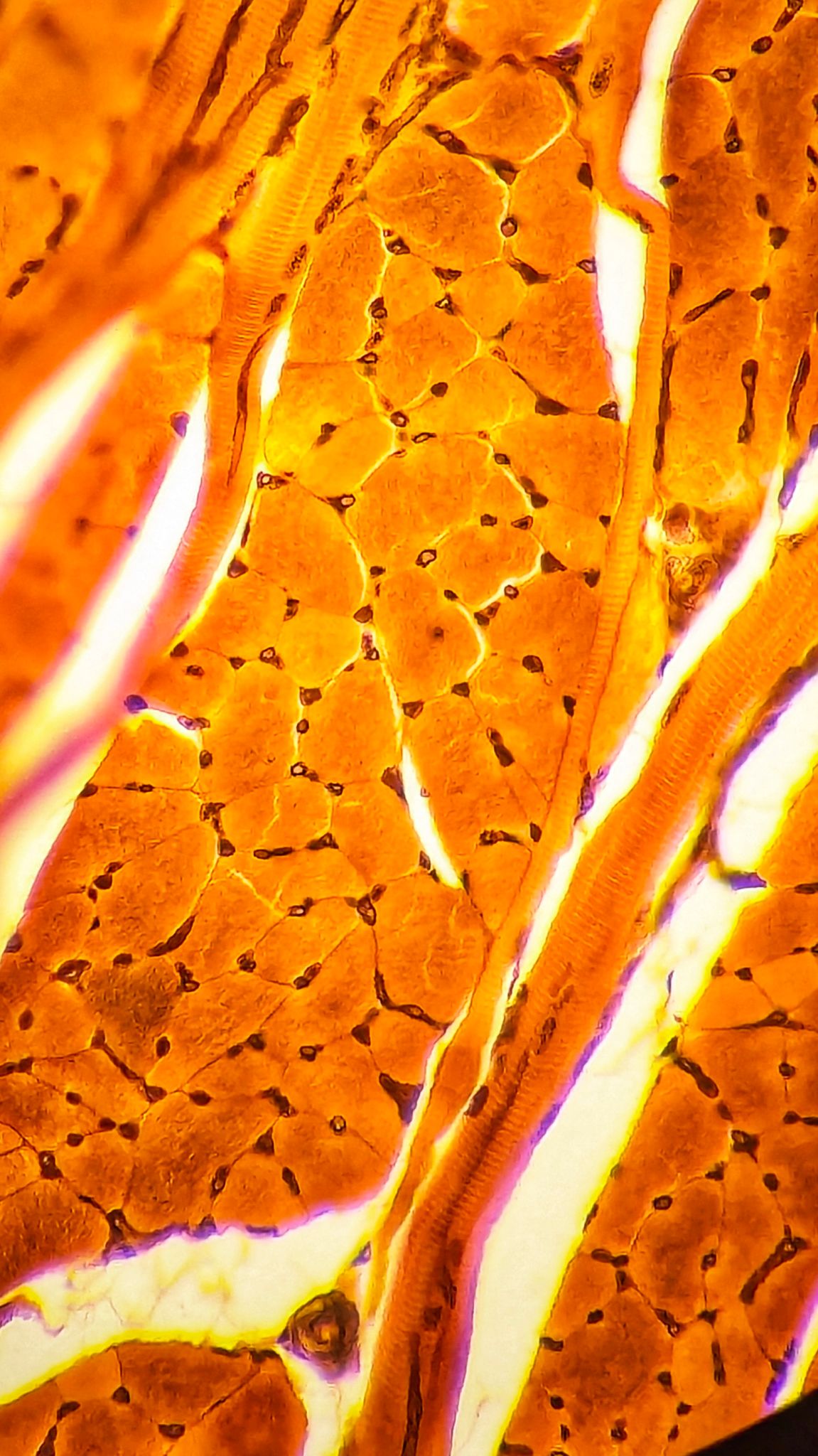
Techniques for Building Skeletal Muscle Organoids
Stem Cell Differentiation
The foundation of building skeletal muscle organoids lies in stem cell technology. By differentiating pluripotent stem cells into muscle cells, researchers can initiate the formation of muscle-like structures. This process involves carefully controlling the microenvironment and providing the right biochemical signals to guide stem cell development.
Key factors in this differentiation process include the selection of the appropriate growth factors, scaffold materials, and mechanical stimuli. Researchers often employ bioreactors to provide a dynamic environment, enhancing the maturation and alignment of muscle fibers.

3D Bioprinting and Scaffold Design
Another exciting technique in the construction of skeletal muscle organoids is 3D bioprinting. This technology allows for precise placement of cells and biomaterials in three-dimensional space, creating complex tissue architectures. The design of scaffolds plays a critical role in mimicking the extracellular matrix, providing structural support, and promoting cell alignment and growth.
Advanced biomaterials are often used to fabricate scaffolds that can degrade over time, enabling the development of functional tissue. The combination of 3D bioprinting and innovative scaffold design paves the way for creating more physiologically relevant organoids.

Innovations in Skeletal Muscle Organoid Research
Integration with Neural Networks
One of the most promising innovations is the integration of skeletal muscle organoids with neural networks. By incorporating motor neurons, researchers aim to create neuromuscular junctions within organoids, providing insights into muscle innervation and coordination. This approach could lead to breakthroughs in understanding neurodegenerative diseases and motor dysfunction.
The ability to simulate muscle contraction and movement through neural stimulation opens new doors for drug testing and disease modeling, offering a more comprehensive understanding of muscle physiology.
Applications and Future Directions
The applications of skeletal muscle organoids extend far beyond basic research. They hold potential in personalized medicine by allowing for patient-specific disease modeling and drug testing. This could lead to more effective and targeted therapies for muscular dystrophies and other muscle-related disorders.
As technology advances, the refinement of skeletal muscle organoids will continue to evolve. The integration of new technologies, such as artificial intelligence and machine learning, promises to enhance the predictive capabilities and efficiency of these models, ultimately transforming the landscape of muscle research and treatment.